Mardi Himal Trek Packing List: What You Need to Pack!
Want to know what to pack for Mardi Himal? Here is the ultimate Mardi Himal Trek packing list!
The Mardi Himal trek is a short and beginner friendly trek in the Annapurna Region. It usually takes maximum 5 days to complete it, so you don’t have to pack too many things.
If you are going to carry your own backpack (no porter), then I recommend taking only a 30L backpack and pack only the most essential items.
The weather can be unpredictable in the mountains, so it is good to be prepared for types of weather, including sun, rain and even snow!
When packing for the Mardi Himal trek, the must-have items are a good backpack, footwear, clothes (including thermal base layers), electronics, toiletries, re-usable water bottle and thermos, first aid kit, trekking snacks, and some cards for entertainment.
What to Consider When Packing for Mardi Himal
When preparing your Annapurna Base Camp Trek packing list, it is good to consider the weather, and if you carry your backpack or go with a porter.
Weather

The weather can be unpredictable in the mounains. One minute it can be hot and sunny, and another, it can rain or snow.
So, depending on when you go on the trek, you need to pack for hot and cold days, rain or snow.
Especially as you get to higher altitudes above 3,000 meters (10,000 feet), you need to have warm clothes that you can wear in layers.
Whether You Carry Your Own Backpack or Have a Porter
The Mardi Himal trek is short and generally, it is fine to pack a few essential items and carry your own backpack.
However, if you want to make the trek easy for yourself, hiring a porter makes it even easier. In this case, you would just have a day pack with a few items that you carry, and the porter carries everything else.
If you plan to carry your backpack, then just take backpack maximum 30L. You can fit all essential items into a 30L backpack and it won’t be too heavy for your trek. It is better to wear the same T-shirt for 2-3 days, than to overpack and struggle to carry your backpack.
What to Pack for Mardi Himal Trek
When planning what to pack for Mardi Himal, the must-have items are a good backpack, footwear, clothes (including thermal base layers), electronics, toiletries, re-usable water bottle and thermos, first aid kit, trekking snacks, and some cards for entertainment.
Here is everything I packed in a 28L backpack for my Mardi Himal trek:
Backpack

Osprey 28 litre Backpack
✔️ Lightweight
✔️ Airspeed suspension: breathable, supports weight
✔️ Zip pockets, straps for trekking poles, + rain cover included
The Mardi Himal Trek is a short one, so you can pack light and take a 30L backpack. Especially if you carry your own backpack and go without a porter, you want your backpack to be as light as possible.
I usually trek with a 28L backpack, and it is big enough to fit the most necessary items for a trek up to 10 days. Trekking Mardi Himal takes generally 4-5 days in total, so a 30L backpack definitely works well.
I recommend the 28-30L Osprey backpack as it is lightweight, breathable and has back support. It also has straps for trekking poles and comes with a rain cover.
✅ Get your backpack here!
Footwear
You walk around 4-5 hours per day during the Mardi Trek (depending on your itinerary), so it is important to have comfortable hiking shoes.
For footwear, only take one pir of hiking shoes and a pair of slippers that you can wear in the evenings or for taking showers.
HIKING SHOES

- How many to pack: 1 pair
For trekking in Nepal, you can either wear hiking shoes or trail runners, just make sure it is waterproof as weather can be unpredictable.
I recommend to trek in mid hiking shoes, so you have ankle support. There are not that many stairs on the Mardi trek (except for the last day when you go down to Sidhing), but it is still better to have hiking shoes with ankle support.
It is best to get the hiking shoes before coming to Nepal and break it in, so that you can trek comfortably. There are also trekking shops in Thamel, but it can be difficult to find good quality shoes in all sizes.
✅ Shop hiking shoes for women here!
✅ Shop hiking shoes for men here!
SLIPPERS/FLIP FLOPS

- How many to pack: 1 pair
Slippers come handy at the end of each day while you trek – it is much comfortable and lets your feet rest without having to wear hiking shoes.
Plus, you also need (or better) to have slippers for taking a shower.
✅ Shop slippers here!

I organize treks in Nepal:
✔️ Mardi Himal
✔️ Annapurna Base Camp
✔️ Everest Base Camp & more!
Clothes
The Mardi Himal trek is short, so you don’t have to pack many clothes. Generally, people complete the Mardi trek in 3-5 days.
The below items are recommended for a 5 day trek, so in case you plan to trek it in a shorter amount of time, you can reduce the number of certain items.
If you carry your own backpack (without a porter), the best is to pack light. You can wear the same T-shirt or trousers over 2-3 days, so that your backpack is not too heavy.
WINDBREAKER JACKET (WATERPROOF)

- How many to pack: 1
The weather can be unpredictable on a trek, but a waterproof jacket is a must in case it rains. I have been using my North Face windbreaker jacket for treks and it is one of my must-have items for treks in Nepal.
It is great as it is waterproof, windproof, easy to layer up underneath, and can be folded into a small pack. You can layer up underneath with thermal layers and fleece, so it keeps you warm.
✅ Shop windbreaker jackets for woman here!
✅ Shop windbreaker jackets for men here!
TREKKING PANTS/ YOGA PANTS


- How many to pack: 2 (1 trekking trousers, 1 yoga pants)
As Mardi Himal is short trek, you can pack just 2 pairs of trousers. You can take 2 pairs of trekking trousers, or pack 1 pair of trekking trousers and 1 pair of yoga pants.
In high altitudes, I like to wear the trekking trousers over my yoga pants in the evenings or during sunrise hikes, which is great to keep you warm.
✅ Shop trekking pants for women here!
✅ Shop trekking pants for men here!
FLEECE JUMPER
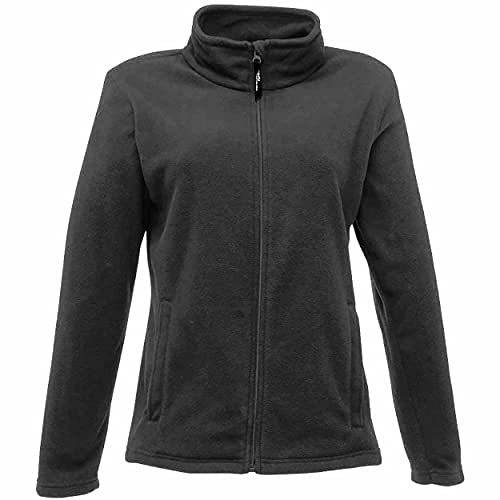
- How many to pack: 1
I usually only take 1 fleece jumper with me on any trek. Mardi is a short trek, so you definitely don’t need more than one.
A fleece jumper is great in the evenings as you can layer it with thermals and a jacket to keep you warm.
Make sure you get one with zip pockets, so you can put stuff in your pockets, like your phone, without fear of it falling out of your pocket!
✅ Shop fleece jumper for women here!
✅ Shop fleece jumper for men here!
LONG SLEEVE T-SHIRT

- How many to pack: 1
You should also pack 1 long-sleeve T-shirt for the Mardi trek. It is best if it is quick dry and breathable.
It is great to use as an extra layer in the evenings, or to wear it on top of a short sleeve T-shirt in the morning as you start your trek and the temperature is low.
✅ Shop long-sleeve T-shirts for women here!
✅ Shop long-sleeve T-shirts for men here!
SHORT SLEEVE T-SHIRT

- How many to pack: 2
For Mardi, you can pack just 2 short sleeve T-shirts. This means that you’d have to wear each T-shirt for 2-3 days, but it is totally fine during a trek, and it saves you space and have a light backpack.
It can get very hot during the day, but it can also rain from time to time. So, make sure the T-shirts are quick dry, so even if you are caught in the rain. It has the best chance of drying quickly.
✅ Shop quick dry T-shirts for women here!
✅ Shop quick dry T-shirts for men here!
THERMAL TOP AND BOTTOM

- How many to pack: 1 pair of top and bottom
Thermal layers are a must for any trek in Nepal, especially for the evenings.
I usually pack 1 thermal top (long-sleeve) and bottom for sleeping. I also layer it up, especially in higher altitudes, so sometimes I wear my fleece jumper and trekking pants on top of it.
✅ Shop thermal top and bottom for women here!
✅ Shop thermal top and bottom for men here!
SOCKS

- How many to pack: 4 pairs (2 thin, 2 thick socks)
For the Mardi Himal Trek, I recommend packing maximum 4 pairs of socks. 2 thin socks and 2 thick socks, but you may be fine with just 2 thin socks and 1 pair of thick socks.
I used thin socks during the day while trekking, and in the evenings, I usually put on 2 socks (one thin and one thick socks) for sleeping.
✅ Get anti-blister socks here (perfect for long days of treks)!
UNDERWEAR
- How many to pack: 4
Underwear doesn’t take up much space, and it is something I usually pack one each per day.
SPORTS BRA

- How many to pack: 2
I had 2 sports bra with me for the Mardi trek. Mardi is a short trek, so you may able to get by even with just 1 sports bra, but it is better not take chances, so I took 2.
✅ Get sports bra here!
GLOVES
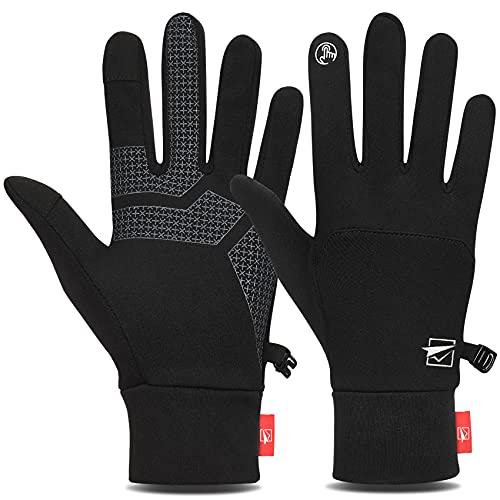
- How many to pack: 1 pair
Gloves are a must in higher altitudes, especially in the mornings and evenings when the temperature is low.
The best is if you have one with touch screen, so you don’t have to take your gloves off all the time you want to take photos!
✅ Get your gloves here!
BEANIE

- How many to pack: 1
While you need a sun hat in lower altitudes, you need a winter hat (beanie) in higher altitudes.
I sometimes even wear the beanie at night when I sleep but only at the highest altitudes on a trek.
✅ Get your beanie here!
NECK GAITER
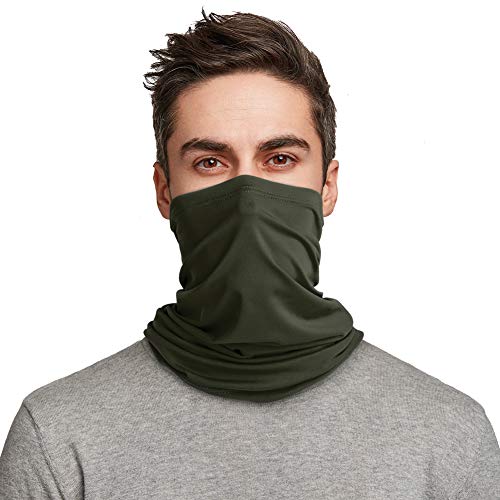
- How many to pack: 1
A neck gaiter (buff) is also a must for any trek! Make sure that it’s thin, quick dry and absorbs moisture.
I always pack a neck gaiter to keep me warm in high altitudes, but they also come handy to protect against sun and sunburn in low altitudes.
✅ Get a neck gaiter here!
PONCHO

- How many to pack: 1
Weather is unpredictable in the mountains and depending on the season you are trekking, there may be some rain. Spring is the second most popular time for treks in Nepal, and it can have rainfall.
Before starting your trek, check the weather forecast or ask around if rain is likely. If there could be rain, then the best is if you can get a poncho that also covers your backpack. There are separate rain covers for backpacks too, but I found the poncho works much better.
You can also get a poncho in Kathmandu or Pokhara, so there is no need to get it before coming to Nepal. Unless, if you are planning to trek in May/June when rain is definitely expected.
✅ Get your poncho here!
SUNGLASSES

Sunglasses are a must for the trek! Make sure that you have polarized sunglasses that protect your eyes from UV rays.
SUN HAT

- How many to pack: 1
The Mardi Himal trekking route mostly goes through forests so for most of the trek you are in the shadows of trees. However, it is still recommended to pack a sun hat just in case.
When I trekked Mardi, it was mostly cloudy and rainy, and used a beanie more than a sunhat, but it is better to be prepared then not have it.
✅ Get your sun hat here!
Trekking Essentials
TREKKING POLES
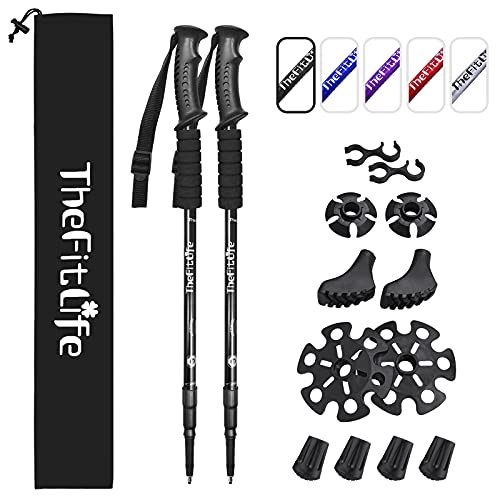
- How many to take: 1 pair
Trekking poles are great to give you support while trekking. They take the pressure of the knees, and they are also useful to help you balance on slippery trails.
The Mardi Himal Trek is not too difficult, there are not many steps going up (at least not as many as on the ABC), but a trekking pole is definitely needed!
On the last day, you go downhill on stairs for hours, and the trekking poles help so your knees don’t hurt too much.
✅ Check out some trekking poles here!
CRAMPONS

- How many to pack: 1 pair
If you go trekking in the winter or spring, then it is best to also pack crampons. There is usually snow in Nepal above 3,500 meters (11,480 ft) in the winter and spring, so it is good if you have crampons just in case of icy trails.
If you forget to take crampons, one trick is to put your socks over your shoes. It is a trick that trekking guides have told me about. You can put the socks over your shoes and it will work like a crampon to keep you from slipping.
SLEEPING BAG LINER

- How many to pack: 1
I found that in most cases you don’t need to pack a sleeping bag, but packing a sleeping bag liner is mostly sufficient on treks in Nepal.
The teahouses in Nepal usually have extra blankets that you can use to double (or triple) up your blankets. So, the sleeping bag liner is used more for hygiene as they don’t always wash the blankets after every guest.
I usually only take a sleeping liner and it works great. It only takes up a small space, and then I use double blankets in the teahouse.
✅ Get a sleeping bag liner here!
RAIN COVER FOR BACKPACK

- How many to pack: 1
Most backpacks come with a rain cover. So, check if yours have one already, if not, then it is recommended to have a rain cover for your backpack.
The weather can be unpredictable in the mountains, and it can go from a sunny day to a thunderstorm in 30 minutes, so it is best to be prepared.
✅ Get your rain cover here!
QUICK DRY TOWEL

- How many to pack: 1
The only towel you should pack for a trek in Nepal is a quick dry towel! The weather is usually sunny during the day, but starts to get cloudy in the afternoon, so the best chance for a towel to dry is if it’s quick dry.
They can also be folded into a small pack, so it does not take up much space in your backpack. Overall, the higher up you go, the colder it is, and I don’t even recommend taking a shower above 2,800-3,000 meters (9,190-9840 ft) as it is just too cold.
✅ Get a quick dry towel here!
WATER PURIFICATION TABLETS

- How many to pack: best to take the whole packet, but generally 3-4 tablets per day
It is recommended to drink 3-4 liters of water every day during the trek. You can get your water bottles refilled in the teahouses with hot, boiled water, or water of normal temperature.
I usually use the water purification tablets even for the boiled water. You can get the water purification tablets in Thamel (Kathmandu) – they sell it in all the trekking shops and costs around Rs. 300 (USD 2) for a pack.
✅ Get water purification tablets here!
Re-usable Water Bottles


- How many to pack: 2 (I usually take 1 Nalgene water bottle, and 1 thermos)
You should take 2 water bottles for the trek, I recommend one to be a Nalgene water bottle and another a thermos.
The thermos is great in the evenings and in high altitudes, so that it can keep your water warm.
The Nalgene water bottle can also be filled with hot, boiling water. The best is to get it filled with hot water before going to bed, then put the Nalgene water bottle inside your sleeping bag liner, and it works like a heater.
By the morning, the water inside the Nalgene water bottle is normal temperature (or slightly cold), and you can drink it during the day. Just don’t forget to put a water purification tablet in first.
✅ Get your Nalgene water bottle here!
✅ Get a thermos here!
Electronics
When packing electronics, just take the most essentials you need for charging your phone (or camera if you take one).
POWER BANK/ PORTABLE CHARGER

While electricity is available throughout most of the Mardi Himal trek, it is useful if you take a power bank.
Most of the teahouses charge extra if you want to charge your phone, and sometimes electricity can be unavailable in higher altitudes on the trek (e.g. High Camp).
I recommend that you take a power bank, but you keep its battery charged until you are at High Camp. In lower altitudes, you can charge your phone at the teahouse, then in case there is no electricity higher up on the trail, then you can use your power bank to charge your phone.
✅ Get your power bank here!
PLUG ADAPTER
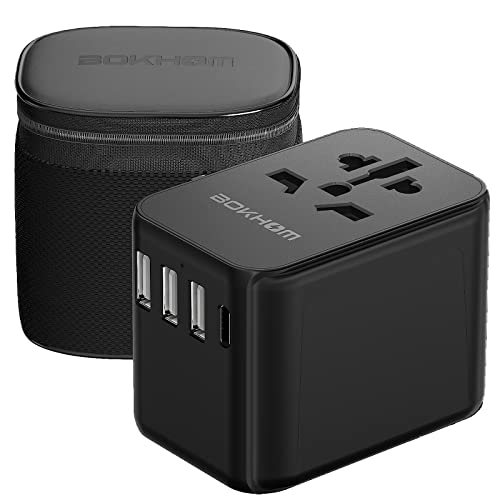
There is electricity at the teahouses but the charging outlets are usually limited. In some teahouses, they may only have 2-3 plugs in the dining room which you have to share with all other trekkers.
So make sure that you have a plug adapter that not only fits for Nepal (plug C Type adapter), but that it has multiple USB ports for charging so that multiple people can use it at the same time.
✅ Get a plug adapter here!
HEADLAMP
![Lepro Head Torch Rechargeable, [2 Pack] 2000L Waterproof LED Headlamp with Red Warning Lights, 6 Lighting Modes, Long Runtime, Lightweight Headlight for Kids & Adults for Running Fishing Camping](https://m.media-amazon.com/images/I/51+ZTUnXcqL._SL500_.jpg)
The Mardi Himal trek is popular for its sunrise hike from High Camp to the Mardi Viewpoint, and to see the sunrise over Machhapuchhre (Fishtail). To get up to the Viewpoint for the sunrise, you have to leave around 3:45 am.
As you leave for the sunrise hike at 3:45 am, it is totally dark yet, so you need a headlamp to navigate the trail. Everyone usually goes up for the sunrise, so you also meet a lot of other trekkers on the trail, but you still need your own headlamp.
Other times, the headlamp also comes handy if you have to go to the toilet late at night, as the toilets are generally outside, and there are no rooms with attached bathroom.
✅ Get a headlamp here!
First Aid Kit/Medicines
For the trek, also pack a small first aid kit. You don’t have to take a lot of medicines, just take the most necessary ones you may need and if there is any personal medicine you take in general.
Some medicines to pack are diarrhoea tablets, Diamox (for altitude sickness), medicine for common cold, paracetamol and plasters.
Toiletries
When packing toiletries, make sure to have everything in its smallest version available, as you want to reduce the weight of your backpack as much as possible.
Toiletries to pack for a trek are toilet paper (1 roll), tissues, toothpaste, toothbrush, shampoo (you can get small packets in Kathmandu), shower gel, body lotion, face cream, baby wipes, sunscreen, hand sanitizer, lip balm, deodorant, hair brush, nail clippers, and sanitary products (if there is a chance you may have your period during the trek).
You can usually buy toilet paper in the teahouses, but I would say, it is good if you start your trek with 1 roll in your backpack, and if you run out of it, then you can buy more in your lodge.
Snacks
Packing snacks like trekking bars is totally essential! Although you can buy some snacks in teahouses, it is great to pack trekking bars (1 bar per day). They give you energy during the trek and keep you going when you get tired and hungry!
I found that I get hungry more easily in the beginning of a trek as my body adjusts to the altitude and trek. So, in the beginning of a trek, I might eat 2 trekking bars per day, and as I get towards the end of the trek, I can last even without snacking.
Entertainment
Sometimes you have short days of trekking, and you arrive at your destination in the early afternoon. Having some cards or crosswords for entertainment can be great as wifi can be unavailable sometimes.
Others
Travel Insurance
Make sure to have a travel insurance that covers trekking in Nepal (including emergency helicopter evacuation).
Insurance companies like True Traveller, World Nomads, and the Alpine Club are ones that are recommended for trekking in Nepal.
Permit
Foreigners need to get the Annapurna Conservation Area Permit (ACAP) for the Mardi Himal Trek. The ACAP costs Rs. 3,000 (USD 22) and you can get it in Kathmandu, Pokhara or online.
During the trek, there is a checkpoint in Pothana where you have to show your permit.
Cash
You need minimum Rs. 3,000 (USD 22) per day for Mardi Himal for food, accommodation and extras like wifi and hot shower. It is the minimum, but if you want to have beer in the evenings or buy snacks, it is best to budget an extra USD 10 par day (making it around USD 30-35 per day).
In general, it is better to take more cash than what you budget to ensure you don’t run out of money and you can eat and drink anything you prefer.
I found the prices on the Mardi Himal Trek were similar to other trekking routes in the Annapurna region, but the accommodation was slightly more expensive than ABC.
Also, there are no ATMs along the Mardi trek route, so once you leave Pokhara, there is no opportunity to withdraw any additional funds.

Tips on What to Pack for Mardi Himal Trek

Don’t Pack Too Many Things
Mardi Himal is a short trek, so you don’t have to pack too many things. It would just make your backpack heavy for no reason.
If you don’t take a porter, than just pack the most essential items. It is better to wear the same T-shirts and trousers for 2-3 days, than to struggle on the trek because your backpack is too heavy.
Prepare for Cold, Unpredictable Weather
The weather is unpredictable in the mountains, and while it can be warm and sunny one minute, it can start raining and snowing the next.
The best way you can prepare for it is to have a waterproof jacket, clothes that you can wear in layers, and have thermal layers for the nights.
Things You Can Buy at the Teahouses
I recommend packing snacks and basic toiletries, but you can also buy a couple of things in teahouses in case you forget or run out of something.
Some items that are available in teahouses are toilet paper, tissues, and snacks.
FAQs: Mardi Himal Trek Packing List
What should I wear for the Mardi Himal Trek?
During the day, it is generally warm enough to wear T-shirts and in lower altitudes, it is even hot enough to wear shorts.
Once it starts to get cold in higher altitudes, you can start to layer up. Usually, a T-shirt and long sleeve T-shirt is fine, or you can even wear a windbreaker on top of your T-shirt. As for trousers, you can wear yoga pants or trekking trousers.
What to pack for the Mardi Himal Trek?
When packing for the Mardi Himal trek, the must-have items are a good backpack, footwear, clothes (including thermal base layers), electronics, toiletries, re-usable water bottle and thermos, first aid kit, trekking snacks, and some cards for entertainment.
Do I need a sleeping bag for the Mardi Himal Trek?
No, you don’t need a sleeping bag for the Mardi Himal Trek. You can just take a sleeping bag liner instead.
The teahouses have extra blankets that you can use. So, for example, you can double up the blankets which will keep you warm enough for the night.
I recommend taking a Nalgene water bottle, and fill it with hot water before going to sleep. You can put the hot water bottle inside your sleeping bag liner and it works like a heater.
Conclusion
In conclusion, it usually takes maximum 5 days to complete the Mardi Himal trek, so you don’t have to pack too many things.
If you are going to carry your own backpack (no porter), then I recommend taking only a 30L backpack and pack only the most essential items.
The weather can be unpredictable in the mountains, so it is good to be prepared for types of weather, including sun, rain and even snow!
When packing for the Mardi Himal trek, the must-have items are a good backpack, footwear, clothes (including thermal base layers), electronics, toiletries, re-usable water bottle and thermos, first aid kit, trekking snacks, and some cards for entertainment.
Read Next
- Mardi Himal Trek Itinerary
- Mardi Himal Trek Cost
- Connecting Annapurna Base Camp and Mardi Himal Trek (10 Day Itinerary)
- Mardi Himal Vs Annapurna Base Camp
Like This Post? Pin It!


Travelling Mandala contains affiliate links and is a member of the Amazon LLC Associates Program. If you make a purchase using one of these Amazon links, I may receive compensation at no extra cost to you. Read my Disclosure Policy for more information.


